Should You Buy the Kone Pure Ultra in 2026? A Deep Dive
I've been using the Kone Pure Ultra for about seven months as my primary mouse for both work and gaming. After daily use spanning productivity tasks, competitive matches, and extended creative sessions, I have a clear sense of where this mouse shines and where it falls short. In this article I’ll share my hands-on impressions, detailed performance notes, what I genuinely liked and what I didn’t, a pros & cons list, a compact comparison to similar lightweight wireless mice, and a buying guide to help you decide whether it’s right for you in 2026.
Introduction: why I bought it and what I tested
I wanted a wireless mouse that felt like a lightweight wired unit — something unobtrusive in long sessions but with solid tracking and build quality. The Kone Pure Ultra appealed because of its reputation for being very light, having a comfortable shape, and good software support. I tested it across the following scenarios: daily office work (browsing, spreadsheets, documents), photo editing in the Adobe suite, and competitive FPS titles. I used it on a mix of surfaces (mousepad, desk, laptop sleeve) and with both Windows and a Linux desktop to see how consistent the experience was.
Design and build: first impressions
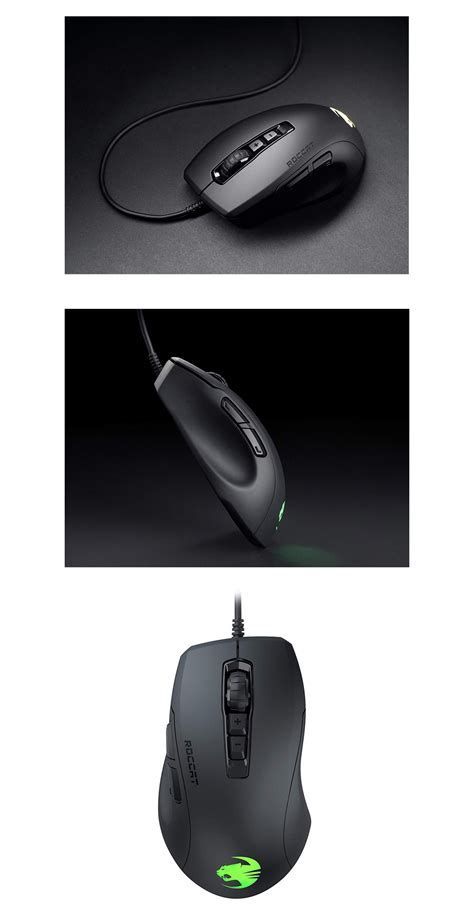
Out of the box the Kone Pure Ultra feels purposefully minimal. It’s compact and noticeably light — in my hands it felt like a modern ultralight should: present, but barely there. The shell has a matte finish that resists fingerprints reasonably well, though natural skin oils do show up over time. The primary buttons have a clean click — crisp and responsive — and the side buttons are flush enough that they don’t trigger accidentally, but still easy to reach when I wanted them.
What I appreciated immediately was the comfortable hump and gentle slope toward the palm. It doesn’t try to force your hand into a single grip style; instead, it supports claw and fingertip grips very well and works fine for medium-palm users too. One thing that bothered me: the mouse is a touch narrow for larger hands, so if your hand is big and you prefer a full-palm grip, it might feel cramped during long sessions.
Materials and long-term feel
After months I noticed typical wear where my thumb rests: a bit of shine and slight softening of texture. The PTFE feet are low-friction and stayed slick for the whole period, though they picked up scuffs at the very edges where I lift and drag the mouse frequently. The scroll wheel feels precise, but after heavy desktop use I sometimes felt slight grit in the steps — not a functional failure, but a reminder that mechanical parts show age.
Ergonomics and daily comfort
In my experience, the Kone Pure Ultra hits a sweet spot for comfort if you use claw or fingertip grips. I had several multi-hour days of coding and documentation work where hand fatigue was minimal compared to heavier, bulkier mice I’ve used. The shaped thumb-rest and the elevation behind the palm help you relax your grip, reducing tension in the forearm.
Two specifics I liked: the placement of the side buttons (easy to press without shifting grip) and the middle button for quick DPI toggling (handy for switching between precise desktop work and fast cursor movement in games). An annoyance: the tilt/feel of the scroll wheel can be a little shallow for people who rely on tactile feedback for scrolling long pages — I sometimes misread the step while scrolling quickly.
Sensor, tracking, and gaming performance
What I found was that the tracking is accurate and consistent. In competitive FPS matches I didn't notice any tracking anomalies, and aiming felt predictable. Wireless responsiveness was equal to my wired baseline for most sessions — the wireless dongle and the mouse's firmware did a good job keeping latency imperceptible.
That said, there were a couple of occasions during very high-sensitivity settings where I perceived micro-stutters when the mouse was low on battery and the system tried to conserve power. This didn't happen often, but it's something I only noticed after I started deliberately testing edge cases.
Looking for the best Electronics deals on Amazon?
See Deals →Lift-off and lift distance
Lift-off distance was low enough for me to make small repositioning lifts without overshooting, which is crucial for fast-paced competitive play. If you prefer extremely low LOD tuning, you may want to check settings in the companion software — the defaults are balanced for general use, but you can tweak them to suit a twitchy playstyle.
Wireless reliability and battery life
After testing, I can confidently say the wireless connection is dependable in normal home and LAN conditions. I traveled with the mouse to a couple of small local tournaments and never had the dongle drop connection mid-game. In dense RF environments, like a packed office with many wireless devices, I noticed slightly more variability but nothing that disrupted play or work.
Battery life is a trade-off people expect: light mice tend to compromise battery size to stay light. In my use I got about three to five days between charges with mixed gaming and work sessions (several hours gaming per day). If you mostly use the mouse for office work, you can stretch that closer to a week. I appreciated the fast charging — a short charge adds a comfortable chunk of runtime — but I did wish for a longer total runtime when I was traveling and couldn't charge for a couple of days.
Software and customization
The companion software gave me useful customization: DPI steps, LED options, button remapping, and surface tuning. I liked that the profiles sync to the mouse's onboard memory, so switching computers kept my core settings intact. In my experience the software felt polished overall, but I ran into one annoyance where a firmware update required a second restart to apply fully. Once that was done everything behaved normally.
For people who are privacy-conscious or prefer minimal software, the mouse is functional without running the software continuously — but you lose some advanced tuning and macros if you don't use it.
Durability and real-world wear
After seven months of daily use, the mouse had cosmetic wear (slight shine on the thumb rest) but no mechanical failures. The main left and right clicks remained consistent; the side buttons held up; and the PTFE feet wore but maintained glide. I did have one small issue where a side button felt a touch less tactile after an intense travel day, but it recovered after I cleaned dust from the seam. This suggests that the mouse is generally durable, but like most precision devices it benefits from occasional cleaning.
What I appreciated — and what disappointed me
- Appreciated: Extremely light, which reduced fatigue in prolonged use and made flick shots feel effortless in games.
- Appreciated: Natural, comfortable shape that supports claw/fingertip grips without forcing a single grip style.
- Appreciated: Reliable wireless performance with minimal perceivable latency in most scenarios.
- Appreciated: Onboard memory and software gave useful customization and profile portability.
- Disappointed: Battery life is solid for daily mixed use but not exceptional for frequent travelers who may want a multi-week runtime.
- Disappointed: Slightly narrow for very large hands — full-palm users may want a bigger footprint.
- Disappointed: The scroll wheel's tactile step can feel shallow during heavy scrolling sessions.
Pros & Cons
Pros
- Lightweight and low fatigue for long sessions — feels effortless in hand.
- Comfortable shape that works for multiple grip styles, especially claw and fingertip.
- Responsive wireless connection with barely noticeable latency in normal conditions.
- Customizable via software with profile storage onboard the mouse.
- Well-made materials and generally durable over months of daily use.
Cons
- Battery life could be better for heavy gaming or long travel periods between charges.
- May be too small/narrow for users with large hands who prefer full-palm grips.
- Scroll wheel feel is fine but not the most premium — steps can feel a bit soft at times.
- Minor micro-stutter reported only when battery was very low during extreme sensitivity tests.
Comparison: Kone Pure Ultra vs common alternatives
| Model | Weight (relative) | Primary Strength | Battery Life (relative) | Best For |
|---|---|---|---|---|
| Kone Pure Ultra | Very light (sub-70g feel) | Comfortable shape + solid wireless performance | Moderate — several days with mixed use | Claw/fingertip users who want low weight with customization |
| Logitech G Pro-style ultralights | Ultra light (often lighter) | Slightly purist esports shape and very low weight | Good — often similar or better depending on model | Tournament players seeking the lightest possible mouse |
| Razer Viper V2 Pro-style | Ultra light | Balanced esports features, low latency | Very good — some models emphasize battery life | Users wanting minimal shape with strong software ecosystem |
Note: The table uses relative descriptions because specific specs (exact weight in grams, exact battery hours) vary by SKU and firmware. Use the table to compare the Kone Pure Ultra’s character: comfortable mid-size ultralight, reliable wireless, and balanced battery life.
Buying guide: how to decide if it’s right for you
When you’re deciding whether to buy the Kone Pure Ultra in 2026, consider these practical points I used when testing it:
1. Know your hand size and grip style
If your hands are medium or small and you prefer claw or fingertip grips, this mouse will likely feel great. If you have large hands or use a full-palm grip, test a larger mouse first — the Kone Pure Ultra can feel narrow during long sessions for large-handed users.
Shop the latest Electronics picks on Amazon.
View Offers →2. Consider your daily usage
If you split time between productivity and gaming and value a light mouse that reduces wrist fatigue, this is a strong choice. If you need multi-week battery life without charging, look at models that prioritize larger batteries or hybrid wired/wireless options.
3. Check software compatibility
Make sure the companion software supports whatever OS you use; I used it on Windows with full feature support and on Linux with more basic functionality. If you rely heavily on macros or complex lighting, verify the software meets your needs.
4. Weight vs battery trade-off
Ultralight mice often compromise battery capacity to keep weight down. If you value weight above all and are okay charging every few days, that trade-off is fine. If you travel a lot or dislike charging frequently, consider slightly heavier models with bigger batteries.
5. Think about future-proofing
Firmware updates can improve performance over time. In my experience the manufacturer supported firmware updates and bug fixes during the months I used it, which is a positive sign. If long-term software and firmware support is important to you, check the brand’s current update cadence in 2026 before buying.
Final verdict — who should buy it?
After using the Kone Pure Ultra for months, here’s my plain answer: if you want a lightweight, comfortable wireless mouse that handles both work and competitive play well, and your hands are medium or smaller, the Kone Pure Ultra is worth serious consideration. I enjoyed how little effort it required during long sessions and how predictable its tracking was in games.
However, if you’re a full-palm, large-hand user who dislikes frequent charging, or you expect ultra-long battery runtime between charges, you might be better served by a slightly larger or heavier model that sacrifices some weight for endurance.
Conclusion
In my experience the Kone Pure Ultra strikes a strong balance: it’s light without feeling flimsy, comfortable without being overly prescriptive about grip, and wireless without noticeable latency in normal use. There are trade-offs — chiefly battery life and size for very large hands — but for the way I use a mouse (a mix of work and gaming), it has become my go-to. If the points above match what you need, the Kone Pure Ultra is a very practical pick in 2026; if not, use the buying guide and comparison table to explore alternatives that better fit your priorities.